Clean Drinking Water for Livestock and Poultry: A Food Safety Priority

Water is the largest component of an animal body, and any contamination spreads quickly to blood, tissues, milk and eggs. On farms, water may look clear while carrying bacteria, heavy metals or drug residues from unsafe sources. Water quality affects not only production but the safety of food reaching consumers. This guide covers common contaminants, how to test water and how to maintain drinker systems.
Why water matters in animal production
Animals need water for digestion, nutrient absorption, temperature regulation and milk production. Poor water quantity or quality reduces feed intake, growth, egg and milk production. In Egypt hot weather, water demand rises sharply, and any interruption or contamination causes rapid heat stress.
Contaminated water can be a mass-infection source: one bacterium multiplies in a tank or drinker line and reaches hundreds of birds or animals. The water system must therefore be treated as part of biosecurity, not just a tank. Regular cleaning and testing prevent bigger problems.
Common contaminants in farm water
Bacteria such as Salmonella, E. coli and Campylobacter can enter from sewage, wild birds or dirty tanks. Nitrates and nitrites from fertilisers can cause blood problems, especially in young animals. Heavy metals and high salinity affect kidneys and production.
Biofilm is a sticky layer that forms inside pipes and tanks and protects bacteria from disinfectants. Drug or detergent residues in water can harm animals and appear in milk. Stagnant water in open tanks attracts birds and insects and increases contamination. The water source and storage are as important as its quality.
- Bacteria from sewage, wild birds and tanks.
- Nitrates and nitrites from fertilisers and groundwater.
- Heavy metals and high salinity.
- Biofilm inside pipes and tanks.
- Drug or detergent residues in water.
Water standards and testing
Drinking water must be free of pathogenic bacteria and within safe limits for nitrates, salinity and minerals. Periodic testing is essential, especially for wells and old tanks. Sample at the drinker point, not only the tank, because contamination can form inside lines.
Microbial testing detects bacteria, while chemical testing measures nitrates, salinity and minerals. Record results and compare with local standards. If water fails, treat the source or use an alternative; do not rely on boiling or random chlorine addition without measurement.
Cleaning and maintaining drinker systems
Clean tanks regularly and remove sediment and biofilm with a brush and suitable disinfectant, then rinse well. Clean drinker lines on a schedule, especially in hot weather. Replace damaged filters and fix leaks that create moisture and bacterial growth. Cover tanks to keep out birds and insects.
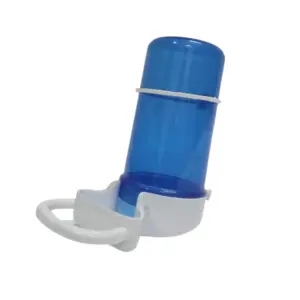
Use clean, easy-to-clean drinkers such as our poultry drinker, and ensure water reaches every bird. In cattle, clean the trough daily and check the water level. Monitor daily water intake; a sudden change can be the first sign of a problem. Find poultry equipment in our poultry supplies and cattle equipment in our livestock.
Conclusion
Clean water is an investment in animal health and food safety. Test the source, clean tanks and lines, cover water and monitor intake. Contaminated water may not show immediate signs, but it can reach milk, eggs and meat.
This article is general guidance and is not a substitute for examining your animal by a licensed veterinarian. In emergencies, contact your vet immediately.