
Common diseases Zoonotic Diseases
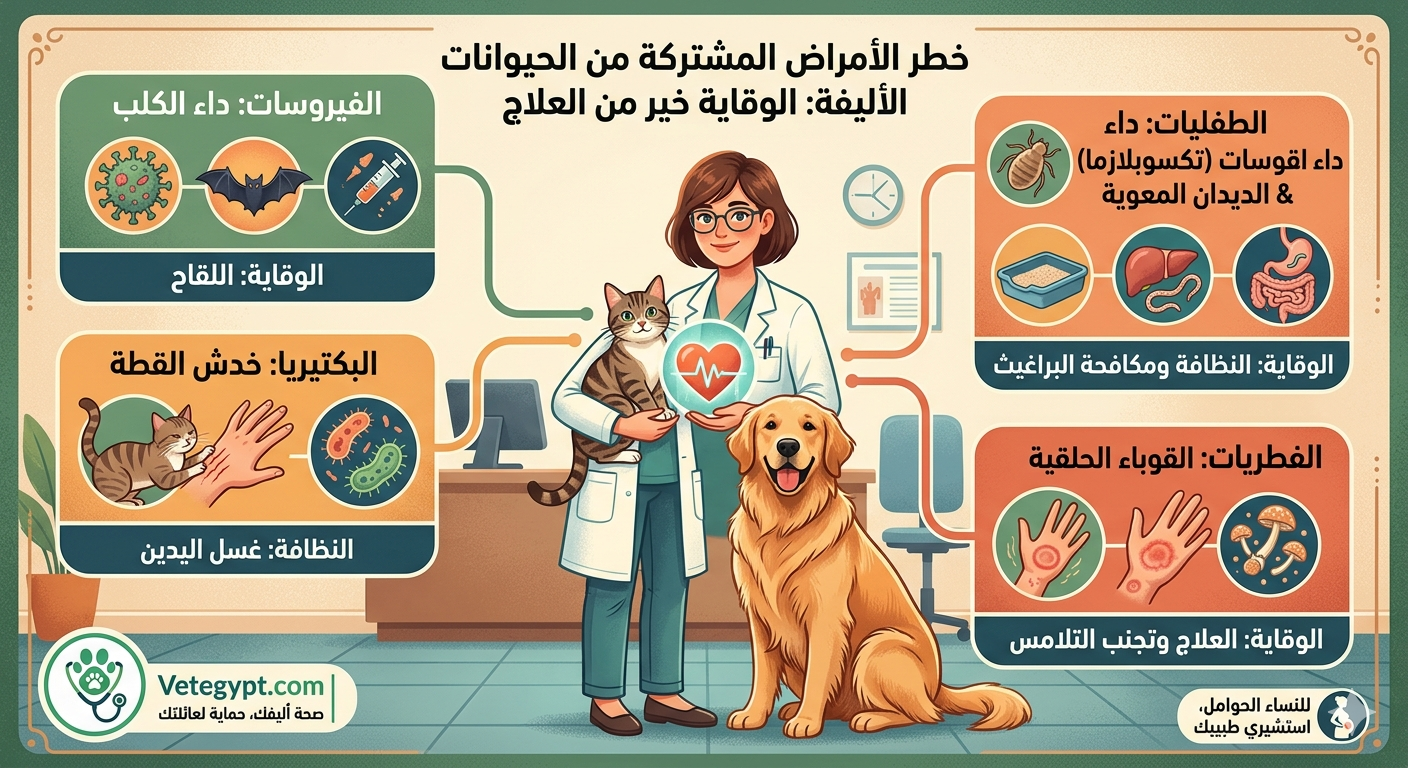
The relationship between humans and pets, such as cats and dogs, is one of the deepest bonds that provides psychological and social support. However, these organisms carry a biological aspect that requires caution. It is its ability to transmit a group of diseases known as “zoonotic diseases”.
In this article, we discuss the most prominent of these risks and how to prevent them:
1. Viral diseases: the most dangerous and deadly
Viruses top the list of risks, not only because of their widespread spread, but also because of the seriousness of their consequences, which may lead to death.
Rabies: It is the most dangerous disease of all. It is transmitted through the saliva of an infected animal (dog or cat) through biting or scratching. The virus attacks the central nervous system, and once symptoms appear, the death rate is approximately 100% unless the vaccine is taken immediately after exposure.
2. Bacterial diseases: silent but powerful infections
Many types of bacteria live naturally in the mouths and intestines of animals without causing illness, but they may be pathogenic to humans.
Cat Scratch Disease: Caused by the bacteria Bartonella henselae. It is transmitted to humans when they are exposed to a scratch or bite from a cat (especially a small one) that carries fleas. The infection leads to swollen lymph nodes, fever, and fatigue.
Salmonella and Campylobacter bacteria: Mostly transmitted through feces. Humans become infected when cleaning cat litter or touching dog feces without washing hands well, which causes severe gastrointestinal illness (diarrhea, vomiting, and abdominal pain).
Capnocytophaga bacteria: found in the saliva of healthy dogs and cats. Although transmission is rare, it can cause severe infection in immunocompromised people if saliva gets into an open wound.
3. Parasitic diseases: unwanted guests
parasites are the most common, and are usually transmitted through direct contact or an environment contaminated with the eggs of these parasites.
Toxoplasmosis: A disease that cats are particularly known for. It is transmitted through contact with cat feces contaminated with the Toxoplasma gondii parasite. It poses a serious risk to pregnant women (it may cause miscarriage or fetal deformities) and to immunocompromised people.
Intestinal worms (Hookworms & Roundworms): The eggs of these worms are excreted in the feces of dogs and cats into the soil. Hookworm larvae can penetrate human skin (especially when walking barefoot on contaminated sand), while magic worms are transmitted through the mouth, which can cause vision problems or damage to internal organs.
4. Fungal diseases (skin)
Fungi are considered annoying diseases that are easily transmitted through physical contact.
Ringworm: It is not a “worm” as its name suggests, but rather a fungal infection that appears in the form of red, ringed, scaly spots on the skin. It is transmitted very quickly from the fur of infected cats and dogs to humans.
Means of prevention: How do you protect yourself and your family?
Knowing the risks does not mean abandoning animal husbandry, but rather adopting responsible healthy behaviors:
Periodic vaccination: strict adherence to the vaccination schedule (especially the rabies vaccine) and periodic examinations by the veterinarian.
Personal hygiene: Wash hands well with soap and water after playing with animals, after cleaning their droppings, and before eating.
Control external parasites: regularly use preventive medications for fleas and ticks, because they play an intermediary role in transmitting diseases.
Careful handling of waste: Sandboxes must be cleaned daily, and it is preferable for the person to wear gloves, and pregnant women should avoid this task completely.
Proper animal nutrition: Avoid feeding animals raw meat, which may be a source of bacteria and parasites.
Note: The risk of these diseases increases in children, the elderly, and pregnant women, so extra caution must be exercised with these groups.
Products you may need
Browse all products of the All Products section
Related articles
- Cat vaccinations: the complete schedule and their importance
- Cat hair loss and fur care: practical solutions
- Why does your cat refuse the litter box? 7 causes and solutions
This article is for general guidance and does not replace consulting a specialist veterinarian.