
The importance of eliminating insects in pets
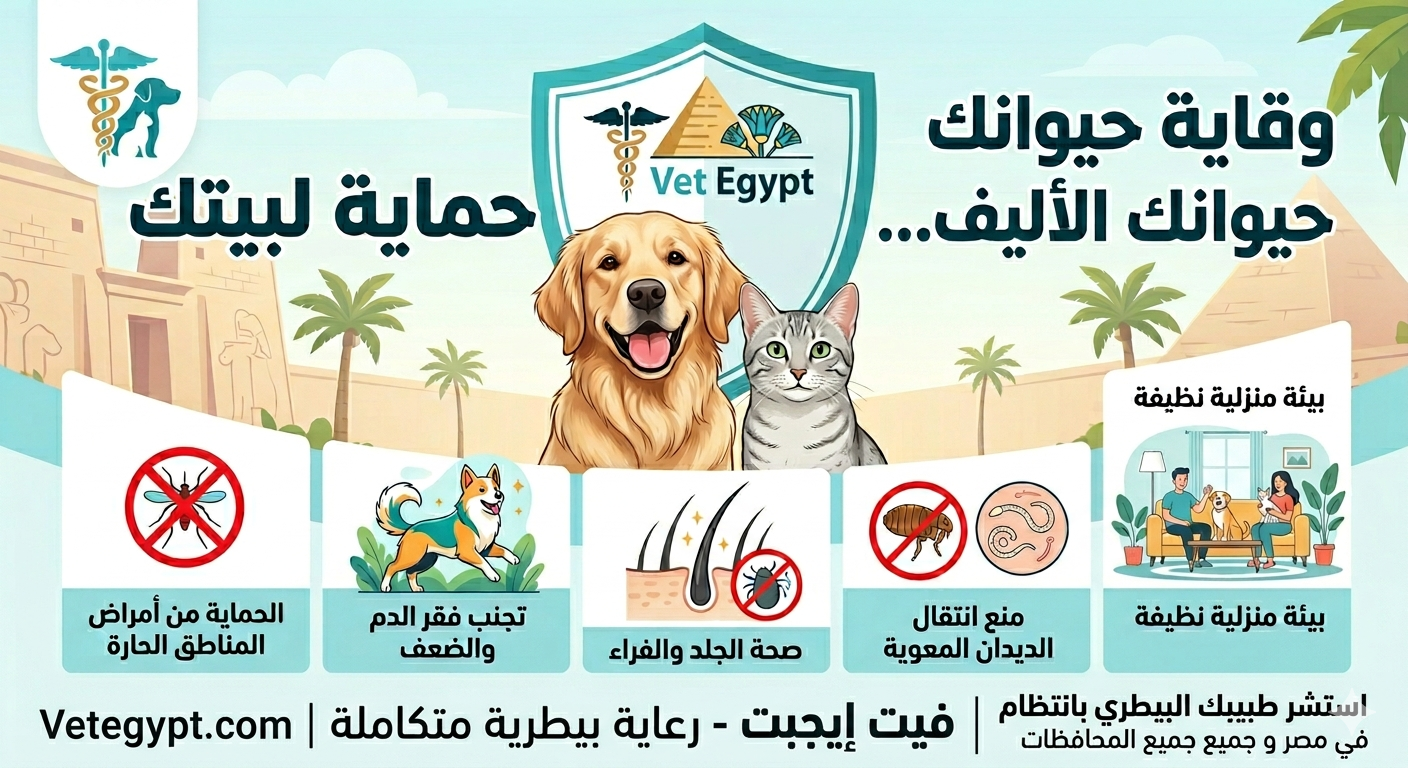
Where human, animal and environmental health are closely linked.
Here is a detailed article that reviews the importance of this procedure from health and preventive aspects
Prevention Shield: Why is eliminating pet pests so important?
External insects such as fleas, ticks, and lice represent a silent threat that goes beyond just causing itching; They are parasitic organisms that live by sucking blood and transmitting diseases, which makes combating them the first line of defense for home safety.
Prevention of zoonotic diseases
The greatest danger lies in the ability of these insects to transmit infection from animals to humans. Ticks, for example, are the main vectors for Lyme disease and Rocky Mountain spotted fever. Fleas can also transmit “cat scratch disease” and Bartonella bacteria, which makes getting rid of them a direct protection for all family members.
Preventing anemia and general weakness
In cases of severe infestation, especially in puppies, kittens or birds, the continued dependence of insects on the animal's blood can lead to anemia. This lack of red blood cells leads to lethargy in the animal, weakens its immune system, and in advanced cases may pose a threat to its life.
Control internal parasites
There is a close relationship between external insects and internal worms. Fleas are the intermediate host for tapeworms. When an animal bites itself or grooms its fur and swallows an infected flea, the worms move to its intestines, causing digestive problems and weight loss.
Reducing allergies and skin infections
A large segment of dogs and cats suffer from what is known as flea bite allergy (FAD).
Insect saliva contains substances that cause severe irritation, which prompts the animal to constantly scratch, which in turn leads to hair loss and skin damage.
The appearance of open wounds susceptible to secondary bacterial infections.
Ensuring a healthy home environment
The life cycle of insects is not completed only on the animal's body; Fleas lay their eggs in carpets, furniture, and upholstery. Early elimination prevents the home from becoming a breeding hotspot, providing a clean and safe environment for living.
Guidelines for effective pest control
Visual inspection: Combing the animal's fur after walking in open areas to ensure it is free of ticks.
Cleanliness of the environment: washing animal bedding with hot water and constantly disinfecting their sleeping places.
Conclusion
Pet pest control is an investment in public health. The story begins with a drop of protection or a simple collar, and ends with protecting society from epidemics and diseases that can be avoided with simple, continuous steps.
Products you may need
Browse all products of the All Products section
Related articles
Cat IllnessThis article is for general guidance and does not replace consulting a specialist veterinarian.