Urinary Blockage in Male Cats: Emergency Guide

Urethral blockage in a male cat is one of the most dangerous veterinary emergencies and can kill within 24 to 48 hours through kidney failure and potassium imbalance. Owners often mistake the cat squatting in the litter box and crying for constipation or a normal attempt to urinate. This guide explains why males are affected more, how to recognise the problem and what to do in the first minutes.
Why males block more often
The male urethra is long and narrow and curves at the base of the penis, so a single small crystal or stone can block the flow. Neutered, overweight and inactive males carry extra risk. A dry-only diet with little water intake is one of the biggest factors in Egypt.
Common crystals are struvite, calcium phosphate and oxalate, forming when urine becomes concentrated and either too alkaline or too acidic. Chronic stress, such as a new cat or a changed litter, causes functional retention and urethral spasm. Sometimes one tiny stone blocks the entire outflow tract.
Emergency signs that cannot wait
The cat enters the litter box many times and squats for long periods without producing urine, or passes only a few blood-tinged drops. He may cry while trying, lick his penis constantly, and hold his abdomen tense and painful to touch. These signs mean blockage, not a mild infection.
As the condition advances, vomiting, lethargy and refusal to eat appear, followed by hind-leg weakness and seizures from rising potassium. The cat may hide in a cool spot or under the bed, which signals severe pain. If more than 12 hours have passed without urine, the situation is critical even if the cat seems calm.
- Repeated litter box visits with no urine produced.
- Crying while urinating or constant penis licking.
- A tense, painful abdomen when touched.
- Vomiting, lethargy and refusing food.
- Hind-leg weakness or seizures in the final stage.
What to do on the way to the clinic
Call the clinic, say you have a male cat with suspected urinary blockage, and go immediately. Do not wait until morning or try home remedies. Place the cat in a spacious carrier with a clean towel, and never press on the abdomen or try to empty the bladder by hand, which can rupture it.
Do not give diuretics, antibiotics or human painkillers, as all can worsen the situation. Do not bathe the cat in warm water as some owners do, because heat increases dehydration. Note the time you last saw normal urine; that detail guides how fast treatment must move.
Treatment at the clinic
The first step is stabilisation: intravenous fluids, potassium correction, strong pain relief such as buprenorphine and cardiac monitoring. The vet then passes a urinary catheter under light anaesthesia and flushes the bladder to remove crystals. If a hard stone is responsible, surgery may be required.
The catheter usually stays in place for 24 to 48 hours with a collection bag to monitor output, and a muscle relaxant such as prazosin is given under veterinary direction. Very recurrent cases may be offered urethral widening surgery, a decision made only after full assessment. Complications include kidney failure and irregular heartbeat.
Prevention after discharge
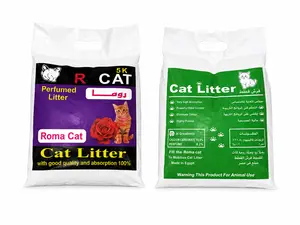
More water is the foundation. Use a fountain or several bowls around the home, feed wet food daily and add warm water to kibble. Reduce dry food gradually if your vet agrees, and keep the cat at ideal weight because obesity is a clear risk factor. Clean the litter box daily with low-dust litter such as Rome Cat clumping litter.
Reduce stress with high resting places, several exits from each room and separate resources for every cat. Recheck two weeks after discharge, then every three months during the first year, and ask for urinalysis to monitor crystals. Any unproductive straining after treatment means an immediate return to the clinic; suitable food is available in our dry pet food section.
Conclusion
Urinary blockage leaves no room for waiting or experimenting. A male cat squatting in the litter box with no result needs a clinic within the hour. After survival, prevention depends on water, wet food, healthy weight and low stress, all far cheaper than emergency surgery.
This article is general guidance and is not a substitute for examining your animal by a licensed veterinarian. In emergencies, contact your vet immediately.